This article introduces ten of the world's most expensive ornamental fish. Some of these fish are rare varieties, while others are extremely rare, commanding prices far exceeding those of ordinary fish. The following are some of the most prized ornamental fish: Koi, Blood Red Arowana, Freshwater Spotted Stingray, Platinum Arowana, Red Mint Angelfish, Bladefin Arowana, Golden Foxtail, Seven-banded Nine-spined Bass, and Neptune Grouper. Let's explore the unique characteristics of these high-end varieties.
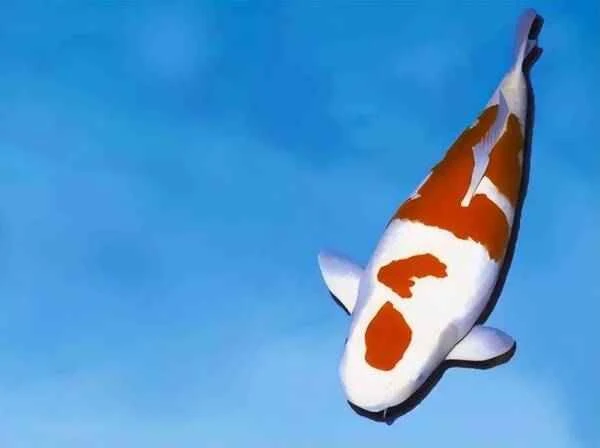
1. Koi Fish of Loulan (20 million yuan/fish)
Loulan, the Koi, was actually a Japanese red and white koi, with red and white being a representative variety of koi. Loulan was an ancient small kingdom located in western China, estimated to have existed for about 1600 years. During the excavation of the ancient city ruins, a female mummy was discovered, known as the Loulan Beauty. Because of its exceptionally beautiful physique, this red and white koi was named "Loulan Koi." Loulan's owners, Mr. Ogawa and Mr. Hashimoto, took Loulan to the 22nd and 24th Japanese Koi Competitions in the 1990s. With its stunning snow-white skin and deep ruby red color, Loulan won the championship twice and became the world's most expensive ornamental fish, fetching a record-breaking 20 million yen at auction. Although many years have passed and Loulan has long since passed away, this record remains unbroken.
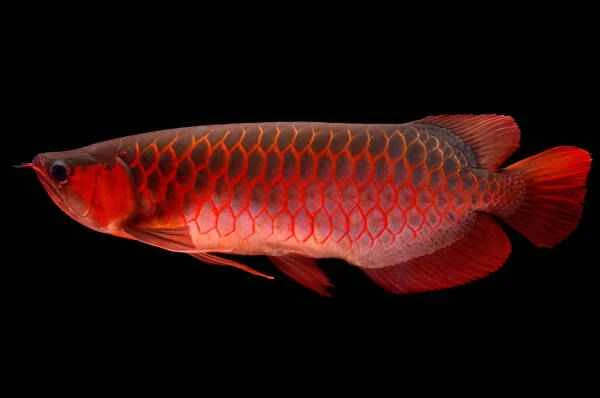
2. Blood Red Dragon (approximately 4.139 million yuan/each)
The Blood Red Arowana is a unique variety of arowana originating from the region north of Lake Sentala in Indonesia. This arowana is renowned for its high-speed swimming and primarily feeds on small fish and shrimp. With its beautiful appearance and vibrant colors, the Blood Red Arowana is one of the most popular ornamental fish. When fully mature, its shape and color are at their peak, with red and purple hues interwoven, creating a truly diverse and striking display. Most notably, it stands tall and proud, exuding a majestic presence. At the 2004 Singapore International Fish Show, a Japanese buyer purchased a 2-kilogram Blood Red Arowana for a staggering $600,000.
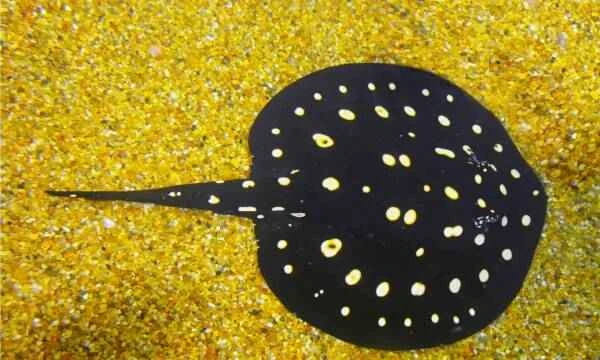
3. Freshwater spotted stingray (approximately NT$689,000/fish)
Stingrays are a group of fish encompassing many species, among which the freshwater spotted stingray gained fame after being exhibited in Taiwan. Wild freshwater spotted stingrays are extremely rare, distinguished by their U-shaped heads instead of the typical round shape—a unique characteristic caused by a genetic mutation. Wild-caught freshwater spotted stingrays have been priced as high as $100,000. Although the price has gradually decreased with advancements in aquaculture, it remains vastly different from the wild freshwater spotted stingray. Due to its head deformity, it cannot eat shellfish, losing its ability to survive in the wild and only able to survive under captive conditions.
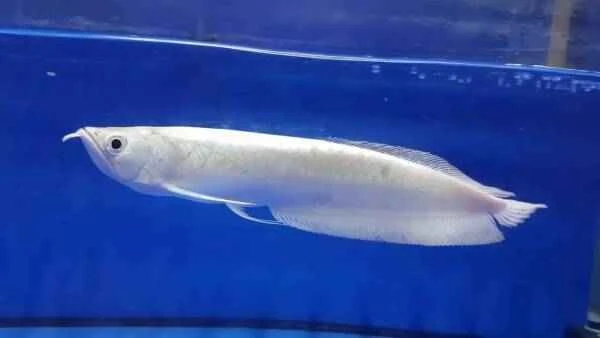
4. Platinum Arowana (approximately 310,000 RMB/fish)
The Platinum Arowana is a type of Arowana, an albino form of the Silver Arowana. Its entire body is pure white, slightly translucent, with highly textured scales that shimmer with a metallic sheen. It is completely devoid of melanin, giving it a particularly elegant and highly ornamental appearance. Of course, due to its rarity and special status, purebred Platinum Arowanas are extremely rare on the market, and therefore command a much higher price than Silver Arowanas. A high-quality Platinum Arowana can fetch over 310,000 yuan.
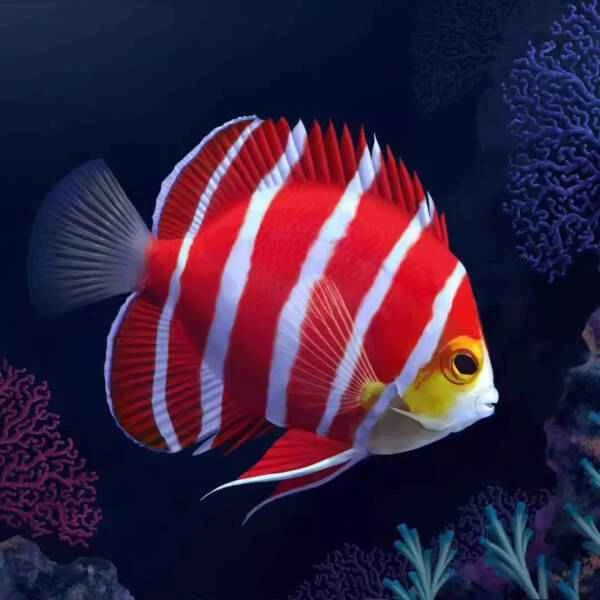
5. Red Peppermint Fairy (approximately 82,000 yuan/stalk)
The Red Mint Angelfish, also known as the Gentleman Angelfish, is a carnivorous fish. Its body is composed of bright and vibrant red, white, and yellow colors, making it truly unique and a quintessential member of the angelfish family. Because they mostly inhabit extremely deep waters near steep reefs and are rarely exported through the aquarium trade, they are extremely difficult to catch. Only a very small number are caught globally each year, sometimes none at all. This rarity makes it one of the most expensive marine fish species in the world. It is said that someone once spent as much as $12,000 to purchase one.
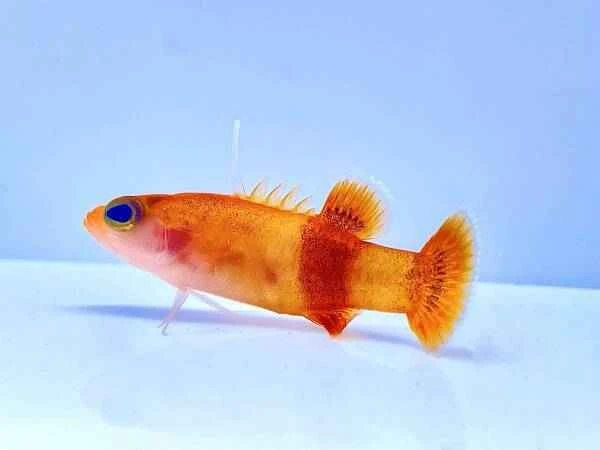
6. Bladefin (approximately 68,000 yuan/each)
The razor-finned sea bass gets its name from its razor-sharp dorsal fin and is primarily found in the Caribbean Sea. Its body is translucent white with multiple orange stripes. This rare fish is a highly sought-after species among fish collectors. Because it only grows to about 3.8 centimeters in size and lives in deep-sea coral reef areas, observing them in such deep waters is extremely difficult, let alone catching them. Therefore, it is rarely seen on the market. The razor-finned sea bass was first discovered in a deep-sea coral reef in the Caribbean Sea, 650 feet below the island of Curaçao. Due to its rarity and high price, it often requires a price tag of up to $10,000 to acquire on the market.
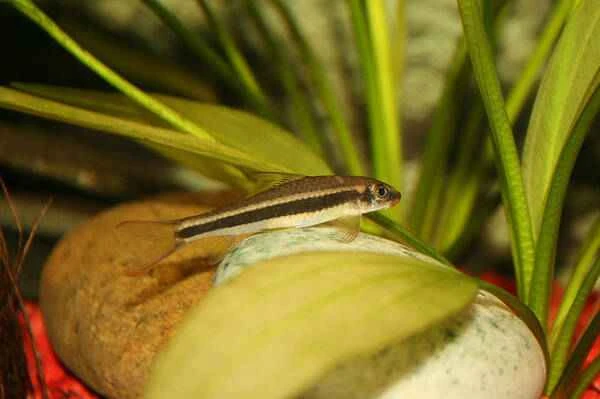
7. Golden Fox (approximately 55,000 yuan/animal)
The Golden Fox is one of the smallest members of the perch family, primarily found in the Pacific and Atlantic Oceans. They are extremely resilient and relatively easy to keep, and their entire body turns golden upon reaching adulthood, making them very beautiful and a desirable ornamental fish. However, Golden Foxes are rarely seen in the market, and few people know of their existence. This is because catching them requires deep-sea submarines, and they are very timid and shy, often hiding and making them difficult to capture. Therefore, it's not surprising that Golden Foxes can fetch prices exceeding $8,000 USD.
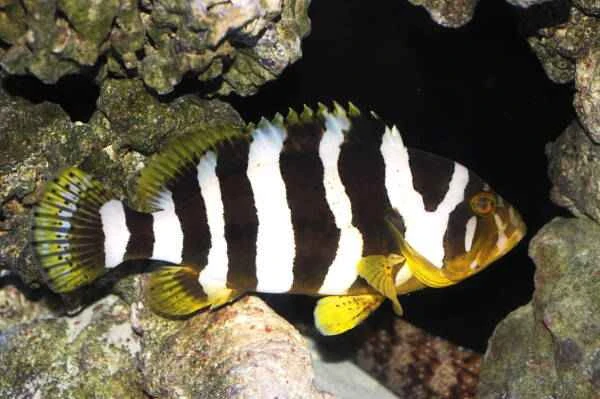
8. Seven-banded, nine-spined perch (approximately 41,000 yuan/fish)
The seven-banded spiny sea bass, also known as the fifty-nine-spined sushi, is renowned for its vibrant colors. Juveniles are entirely bright yellow with white stripes, making them exceptionally beautiful. Currently, it is widely distributed in the Pacific Ocean, including the waters south of Japan, the South China Sea, and Taiwan. A highly mobile fish, it primarily feeds on small fish and invertebrates. Its tender and delicate flesh is considered a top-quality ingredient for sashimi. Furthermore, the seven-banded spiny sea bass is a rare deep-sea fish. In 2012, a 3-inch specimen was spotted in Singapore and sold for over US$6,000, making it extremely valuable.
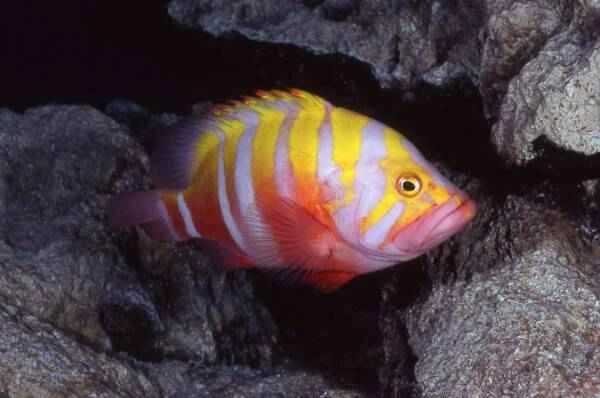
9. Neptune Grouper (approximately 41,000 yuan/grouper)
Neptune groupers exhibit captivating body colors at different growth stages. Young Neptune groupers display a blend of yellow and orange, while adults are a bright yellow with a touch of vibrant pink. Because Neptune groupers rarely inhabit shallow waters, catching them presents numerous challenges, such as divers needing to ascend slowly after capture to minimize stress on both the fish and the divers. Consequently, Neptune groupers are extremely limited in number on the market, and their prices naturally soar to over $6,000.
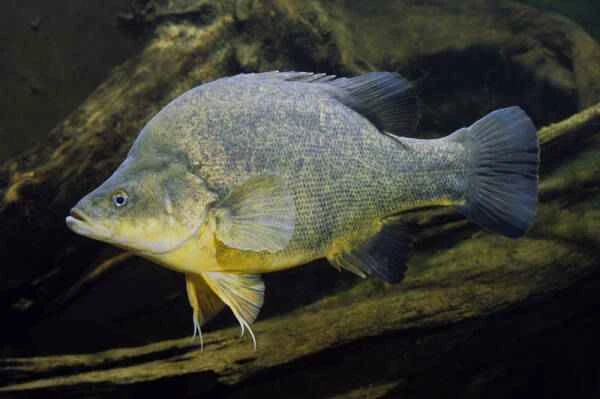
10. Australian Golden Tortoise Bass (approximately 34,000 yuan/fish)
The Australian giant sea bass, with its striking stripes and colors, prefers to hide under rocks and feeds on live prey such as devil shrimp. First discovered in Australian waters, the giant sea bass is adept at escaping due to its exceptionally fast swimming speed, making it challenging to catch. Since 2011, it has appeared on the US market and has consistently garnered significant attention from fish enthusiasts. However, due to its extreme rarity, its market price has soared to over $5,000.
The list of the world's ten most expensive ornamental fish is primarily based on market prices or auction prices for different species. This list is for reference only; please feel free to comment/discuss at the end if you have any questions.