Ladybugs, also known as seven-spotted ladybugs or ladybug beetles , are important partners of humans and nature. This article will explore the biological characteristics, species diversity, ecological significance, and how ladybugs are integrated into our culture and daily life.
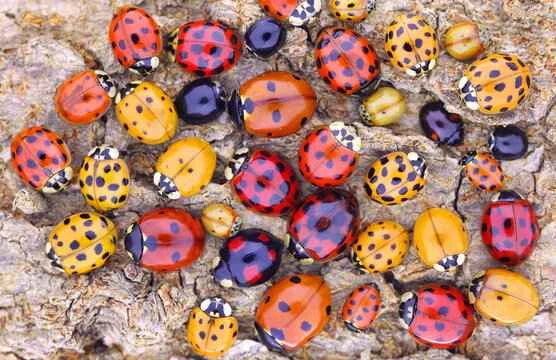
Table of contents
Ladybug Introduction
Ladybug life cycle
Detailed Explanation of Ladybug Species
Table: Common Species and Their Protection Levels
Ladybug Habitat and Adaptation
The role of ladybugs in the ecosystem
The cultural symbolism of ladybugs
Frequently Asked Questions about Ladybugs
Fun facts about ladybugs
Ladybug Introduction
Ladybugs belong to the family Coccinellidae and are beloved insects for their bright colors and spots. They are widely distributed, found from gardens to forests. Ladybugs are not only a symbol of "good luck" because of their cute appearance, but also because of their ability to prey on pests, earning them the title of guardians of farmland and gardens.
Ladybug life cycle
A ladybug's life cycle consists of four stages:
Eggs : Female ladybugs lay their eggs on plants with a high concentration of pests, laying 10-50 eggs at a time.
Larvae : At first glance, the larvae do not resemble ladybugs. They have slender bodies and are covered in thorns. They are voracious predators, mainly feeding on pests such as aphids.
Pupa : After several weeks of predation, the larvae attach themselves to the surface and begin to pupate.
Adult : The adult emerges from the pupa and continues to forage and mate, completing its life cycle.
The entire process takes about 4-8 weeks, and the adult insects can live up to a year.
Detailed Explanation of Ladybug Species
Ladybugs are diverse, with different species exhibiting unique characteristics in color, spots, and habitat. Below are some common ladybug species and their conservation status:
| Chinese name | scientific name | Appearance features | Habitat | Protection level |
|---|---|---|---|---|
| Ladybug | Coccinella septempunctata | Red body with 7 black spots | Gardens, farmland | No danger |
| Asian ladybug | Harmonia axyridis | Orange-red with irregular spots | cities and villages | No danger |
| Eyed ladybug | Anatis mali | Red, with eye-shaped spots | forest | No danger |
| Two-spotted ladybug | Chilocorus stigma | Black with two red dots | Trees and shrubs | No danger |
| Steel Blue Ladybug | Halmus chalybeus | Metallic Blue | Subtropical regions | No danger |
| Fourteen-spotted ladybug | Propylea quatuordecimpunctata | Yellow with 14 black dots | Fields, gardens | No danger |
Ladybugs' bright colors not only attract humans but also deter predators through "warning coloration."
Ladybug Habitat and Adaptation
Ladybugs are highly adaptable and can be found in a variety of ecological environments:
Gardens and farmlands : Ladybugs act as pest killers here, preying on pests such as aphids and mites.
Forests : Some species prefer to inhabit trees and shrubs, especially to overwinter under bark or fallen leaves.
In urban areas : Ladybugs have also adapted to human living environments, often active in parks and gardens, and even invading homes in winter to seek shelter.
Ladybugs have adapted to include having a small, round body that can curl up for protection and secreting a foul-smelling liquid to repel predators.
The role of ladybugs in the ecosystem
Ladybugs are an important part of the ecosystem:
Pest control : Each ladybug can prey on thousands of aphids in its lifetime, thus reducing reliance on chemical pesticides.
Supporting biodiversity : Ladybugs provide a food source for birds, frogs, and other animals, while also balancing insect populations.
Helping plants pollinate : Although not the primary pollinators, ladybugs' movement helps spread pollen.
Ladybugs can improve plant health and agricultural sustainability.
The cultural symbolism of ladybugs
Ladybugs are considered a symbol of good luck in many cultures.
European folklore holds that seeing ladybugs brings prosperity and love. In some traditions, a wish made as the ladybug flies away will come true.
Eastern beliefs : In China, ladybugs symbolize joy and protection.
Modern symbolism : Ladybugs are often associated with childhood, positivity, and the beauty of nature.
Ladybugs, as "gardeners' friends," are also a symbol of environmental health.
Frequently Asked Questions about Ladybugs
Q: Are all ladybugs beneficial to humans?
A: Most ladybugs are beneficial, but some species, such as the invasive Asian ladybug, compete with native species and can even cause discomfort.
Q: What do ladybugs eat?
A: Ladybugs mainly feed on aphids, but also prey on pests such as whiteflies and mites. Both larvae and adults are highly efficient.
Q: Do ladybugs bite?
A: Yes, but their bites are harmless to humans, usually just causing a slight stinging sensation.
Fun facts about ladybugs
Ladybugs' spots fade with age.
Some ladybugs gather in large groups of hundreds or even thousands to overwinter.
The name "ladybug" comes from the prayers of European farmers to the Virgin Mary, who called them "the Virgin Mary's beetle".
Ladybugs are not only adorable insects, but also key members of the ecosystem. Whether it's their ability to control pests or their symbolic significance in culture, these tiny beetles deserve our greater attention and protection. While appreciating their cute appearance, let's also understand their importance in nature!